

Hearing aids are specialized treatment devices designed to help people with hearing impairments.
These devices work by amplifying sound to a level where it can be easily heard and understood. Hearing aids come in a variety of shapes, sizes, and styles, ranging from more advanced digital models to simple behind-the-ear style versions. They are often custom-fitted to the user's ear, ensuring optimal output capabilities and comfort.
Hearing aids may also incorporate special features such as noise reduction and directional microphone systems for enhanced sound clarity. Most importantly, they must be prescribed by audiologists, who evaluate both hearing ability and lifestyle to determine the best treatment options. Hearing aids are individually fitted and programmed to suit the wearer's specific needs. For this reason, it is important to schedule an appointment for a hearing test.
Whether you are new to hearing aids or you have a pair you’d like to have adjusted, Cadenza Audiology is here to help. Dr. Lee can service your hearing aids and she also works with all major hearing aid brands.
Cadenza Audiology offers hearing aids covered by United Healthcare and can verify your insurance benefits for you.
First developed over a century ago, hearing aids in the 21st century continue to evolve into smarter, beneficial devices as technology advances.
Hearing aids are small, electronic devices essential to comprehensive hearing healthcare and hearing restoration. Often fitted at a specialized hearing center, they receive and amplify sound from your environment, directing it into your ears to support daily hearing care. Though hearing aids come in many different sizes, shapes, and styles, they share main components:
- Microphone: picks up sound;
- Amplifier: makes sound louder;
- Receiver: sends amplified sound into ear.
- Battery: provides energy supply.
Hearing Aid Styles
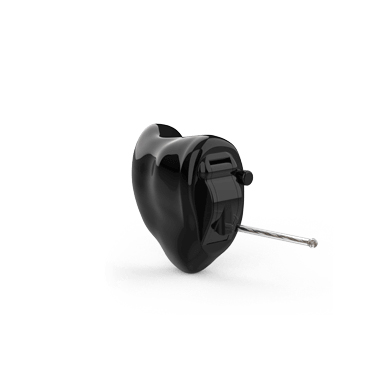
Invisible-in-Canal (IIC) & Completely-in-Canal (CIC)
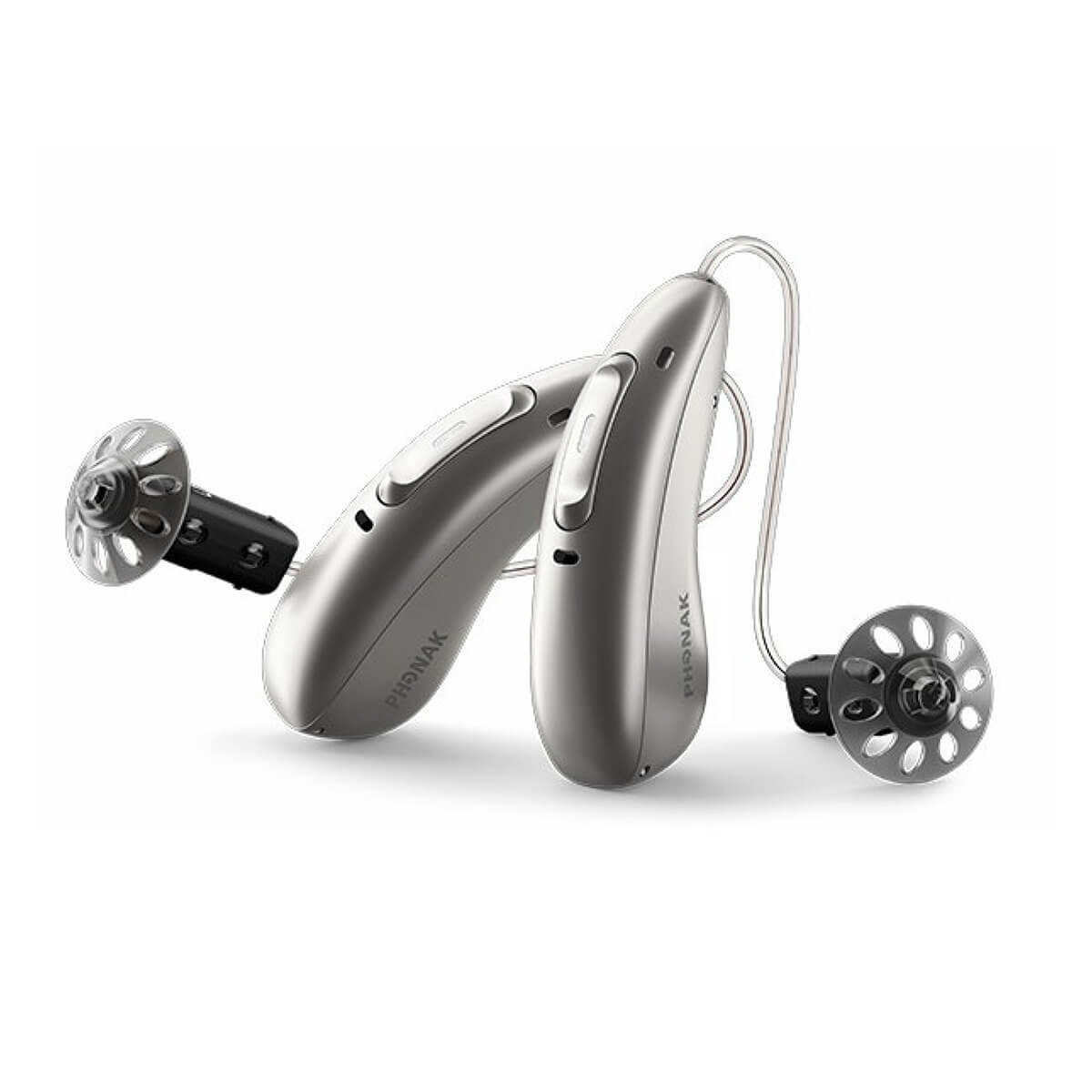
Receiver-in-Canal (RIC) & Receiver-in-the-Ear (RITE)
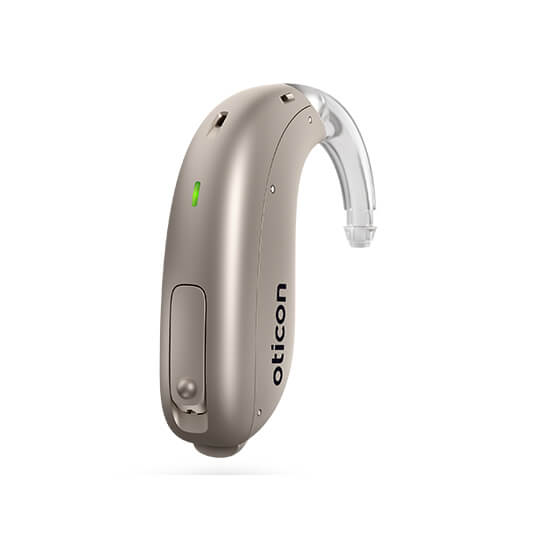
Behind-the-Ear (BTE)
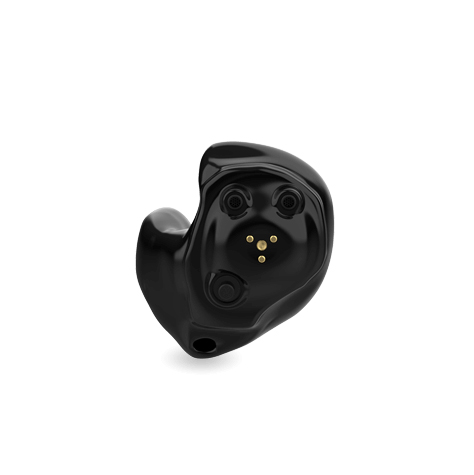
In-the-Ear (ITE)
ITE hearing aids are worn in the ear and require a custom fitting made of a mold of your ears and ear canals. ITE hearing aids are available in full-shell or half-shell options and sit on the surface of your ear. Full-shell ITE hearing aids treat moderate to severe hearing loss, while half-shell ITE hearing aids are used to treat milder degrees of hearing loss. Though they are visible, the plastic outer casing of ITE hearing aids can be customized to match your skin tone.
Features
Whatever the style, any hearing instrument found at top rated hearing clinics or a trusted small business offers the same basic features. Directional microphones amplify the sounds you want to hear, while automatic volume controls amplify selective sounds depending on your hearing loss and minimize sounds that are extraneous.
Most hearing aids have telecoils, a setting that allows you to connect to induction loop systems via electromagnetic waves, which deliver crisp sound from PA systems directly to your ears.
Most contemporary hearing aids use digital technology (as opposed to analog, in which you had to make adjustments manually) that automatically filters buzzing and whistling, provides tinnitus relief, and remembers your preferred sound settings. Additionally, most hearing aids now are equipped with Bluetooth.
Hear Freely. Laugh Heartily. Live Fully.
Hearing | Tinnitus | Pediatrics
